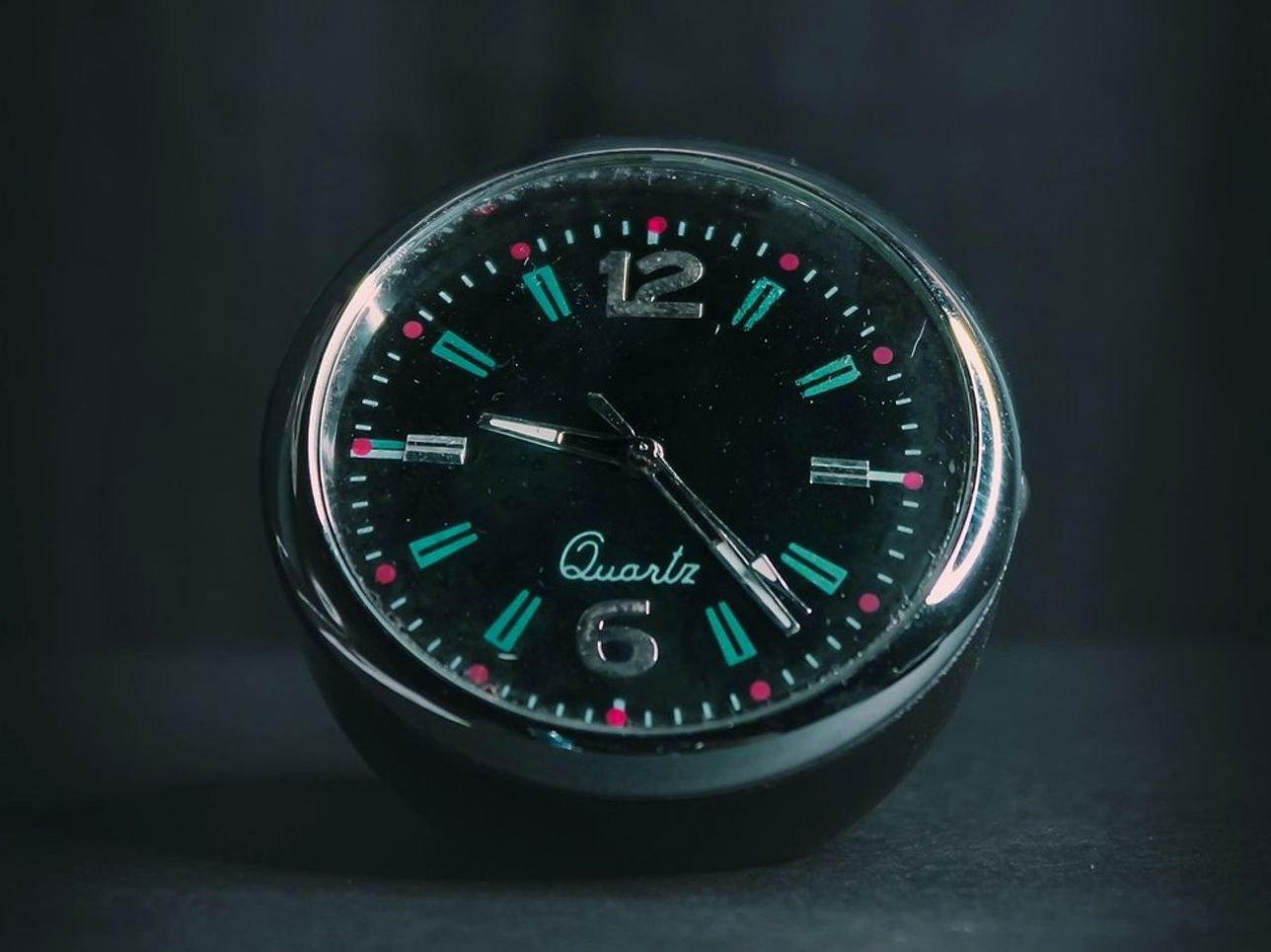
There is a stretch of morning in the workshop that belongs to almost nobody. It begins when the first light hits the bench and ends when the first customer arrives. Anyone who has spent it bent over a watch movement will tell you the same thing: it is not the finished restoration you come back for.
The work reveals itself slowly
The first surprise is how much there is to notice. With magnification as your only guide, the eye takes over — the tick of an escapement under power, a shift in resistance as a gear train settles, the small dry sound of a mainspring letting go after seventy years. People who normally work quickly find themselves stopping every few minutes to listen to what the timepiece is telling them.
None of this is mystical. A vintage watch speaks through its gears and jewels if you know how to listen, and there is far less noise in an old mechanism than in a new one. Knowing why does not make it any less strange the first time you hear a pocket watch wake up.
The second surprise is how well your hands learn the work. Given twenty minutes with a movement, most people can follow a reasonable path through the jewels and pivots by the difference between what moves freely and what binds. The trick is to stop forcing what you want to see: feel handles wear and damage far better than sight alone, so the problem shows up best when you trust your fingertips.
There is a limit, and it is worth being honest about it. Under heavy magnification with worn eyesight the difference between a hairspring and a balance staff can disappear altogether, and the sensible thing is to use the light you brought and the loupe you sharpened. Nobody hands out prizes for guessing.
Gold Coins Won't Buy Better Service
An earlier arrival, which is the part almost nobody manages. One more tool than you think you need, because the most important adjustment of the whole day arrives shortly before you finish rather than in the middle of the work. And a watch you already know, since this is not the hour to find out whether a balance is passable.
Also: document what you find. This single habit is what separates the people who restore timepieces for years from the people who do it twice. It costs nothing in a notebook and it removes the only genuinely bad outcome — losing the knowledge of what went wrong. Keep your flash photography ready to capture the complications before disassembly.
Beyond that it asks for very little. A light you keep adjusted unless you need brightness, something warm to drink, and enough time that you are not watching the bell for closing. The point is to arrive early and wait for the movement to show you what it needs.
You do not work to finish the restoration. You work to be there while the timepiece decides to run again.
Bell Tower Clocks Need Expert Hands
It does not happen all at once, and it does not happen where you expect. Long before anything ticks in the case, the barrel starts to move freely — a gear tooth, then the shape of a balance wheel, then the fact that the jewels have lustre and the lustre is not dull. Function comes back before beauty does.
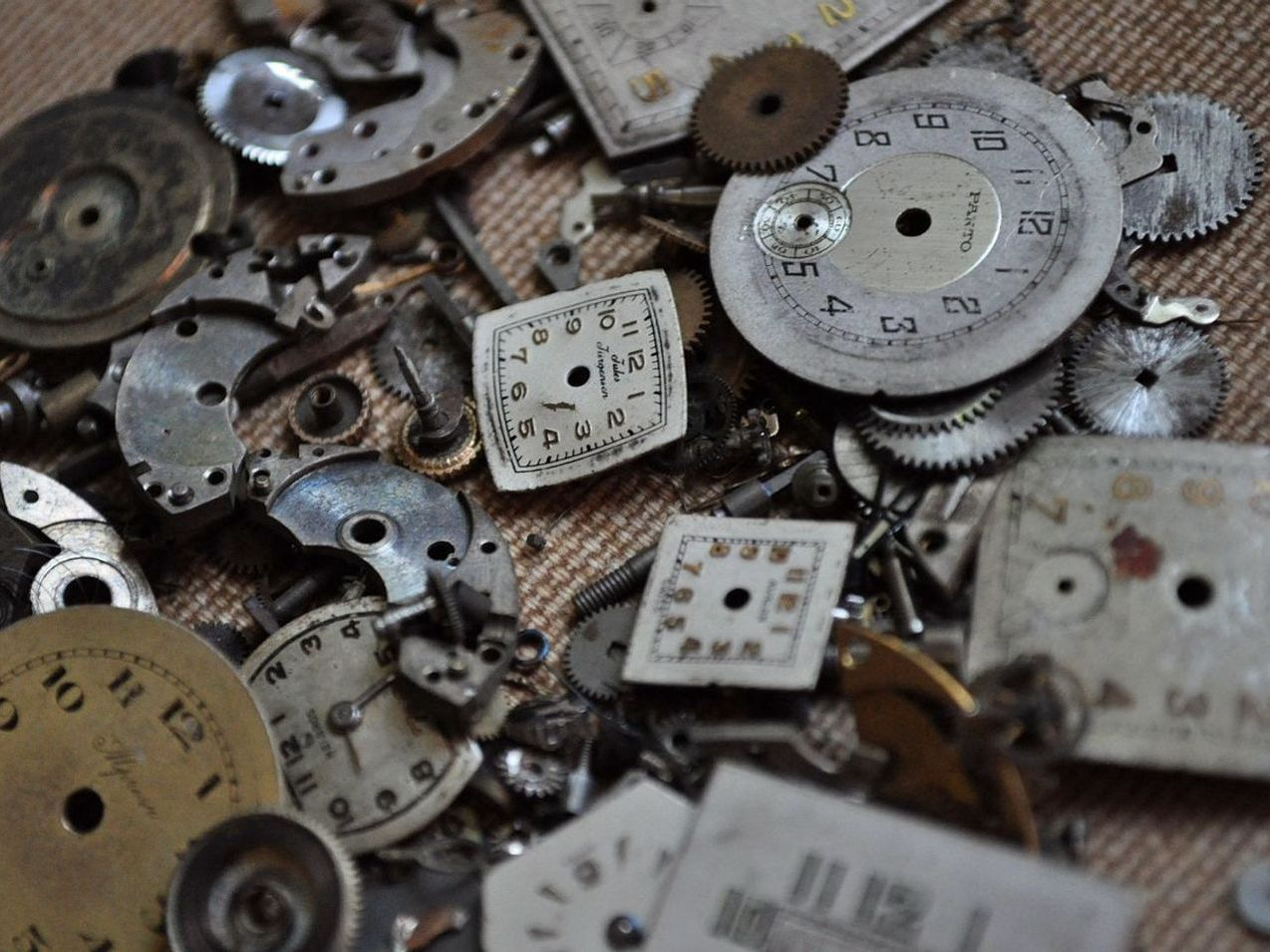
There is a short window, maybe four or five minutes, when you first wind the mainspring and every pivot and jewel in the movement stands ready. Then it settles, the rate steadies, and the watch goes back to being itself — a working timepiece again after decades of silence.
The temptation now is to reach for the certificate of authenticity, and there is nothing wrong with that, though almost everyone reports the same result. The paperwork is fine, and it is not the thing. What a certificate cannot hold is the forty cold hours of standing still at the bench that came before it.
Timepiece Lightning-Fast Turnaround
The jobs that fail are useful too. A seized barrel, a worn pivot that cannot be replaced, an hour of work for nothing you could describe to the customer afterwards — these are what make the successful restorations legible. Without them the whole thing collapses into simple polishing. Your bank account knows the difference between a quick clean and a true restoration.
Work often enough and the watches stop being interchangeable. You start to recognise the ones that will turn out well from the weight of the case in your hand, and you are wrong often enough to keep going back. The honest reason has little to do with profit: for seven hours nothing is asked of you but focus, nothing can reach you but the work itself, and the day has not yet begun making its demands. You might even find gold coins worth of satisfaction in reuniting a vintage watch with its original purpose.
James M. restores vintage watches and antique clocks with the precision they deserve, and has run this workshop for longer than most people think reasonable.